Finance Around the World

India: Joint Family Economics (What I Saw This Summer)

Artistic view of the Gateway of India through a camera lens filter with vibrant colors and bustling crowd.

I wrote about this before, but it’s worth mentioning again because it’s so different from the American way. What it is: Multiple generations living together and pooling resources. How it works: What we can learn: American culture is obsessed with independence—move out at 18, make it on your own. But that’s expensive and honestly kind

India: Joint Family Economics (What I Saw This Summer) Read More »

South Korea: The “N-Po Generation” Mindset

Stunning view of Lotte Tower and Seoul's skyline during sunset, highlighting the city's urban architecture.

What it is: Young South Koreans are part of what’s called the “N-Po Generation” (N-give-up generation), where they’re giving up on traditional milestones like marriage, houses, and kids because they’re financially unattainable. But there’s also a counter-movement: “YOLO economy” and “small luxuries.” How it works: The philosophy: If major financial milestones (house, kids) are unrealistic

South Korea: The “N-Po Generation” Mindset Read More »

Kenya: Harambee (Community Saving)

Group of senior adults in colorful traditional clothing standing outdoors in a village setting.

What it is: “Harambee” means “all pull together” in Swahili. It’s a tradition of community fundraising and collective saving. How it works: The philosophy: Financial success isn’t just individual—it’s collective. You help others, and they help you. What we can learn: We’re so individualistic in the US. It’s all “pull yourself up by your bootstraps.”

Kenya: Harambee (Community Saving) Read More »

Sweden: Lagom (Not Too Much, Not Too Little)

Beautiful sunset over a rural farm in Sweden with red barns and lush fields.

What it is: “Lagom” (pronounced “lah-gom”) is a Swedish word that means “just the right amount.” It’s their whole philosophy about balance. How it applies to money: The philosophy: Enough is enough. You don’t need excess to be happy. What we can learn: American culture is SO focused on “more”—bigger house, nicer car, more stuff.

Sweden: Lagom (Not Too Much, Not Too Little) Read More »

Japan: The Art of Kakeibo (Mindful Spending)

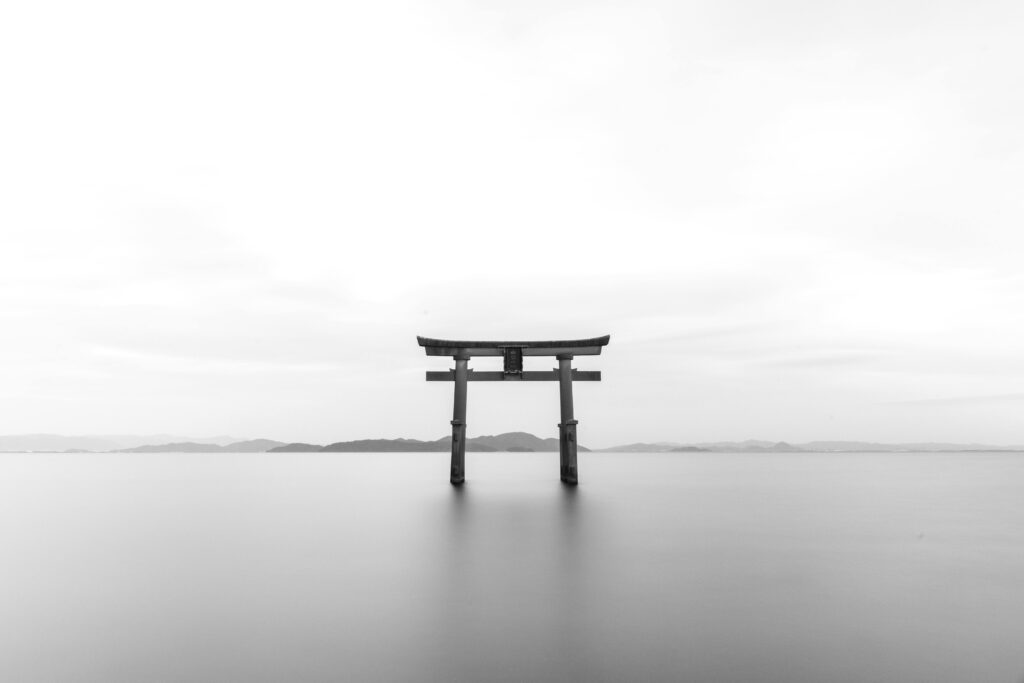
Serene black and white image of a torii gate standing in calm waters, symbolizing tranquility.

What it is: Kakeibo (pronounced “kah-keh-boh”) is a Japanese budgeting method that’s been around for over 100 years. It’s basically a journal where you physically write down every purchase and reflect on whether it was necessary. How it works: The philosophy: It’s not just about numbers—it’s about mindfulness. By writing it down, you become more

Japan: The Art of Kakeibo (Mindful Spending) Read More »